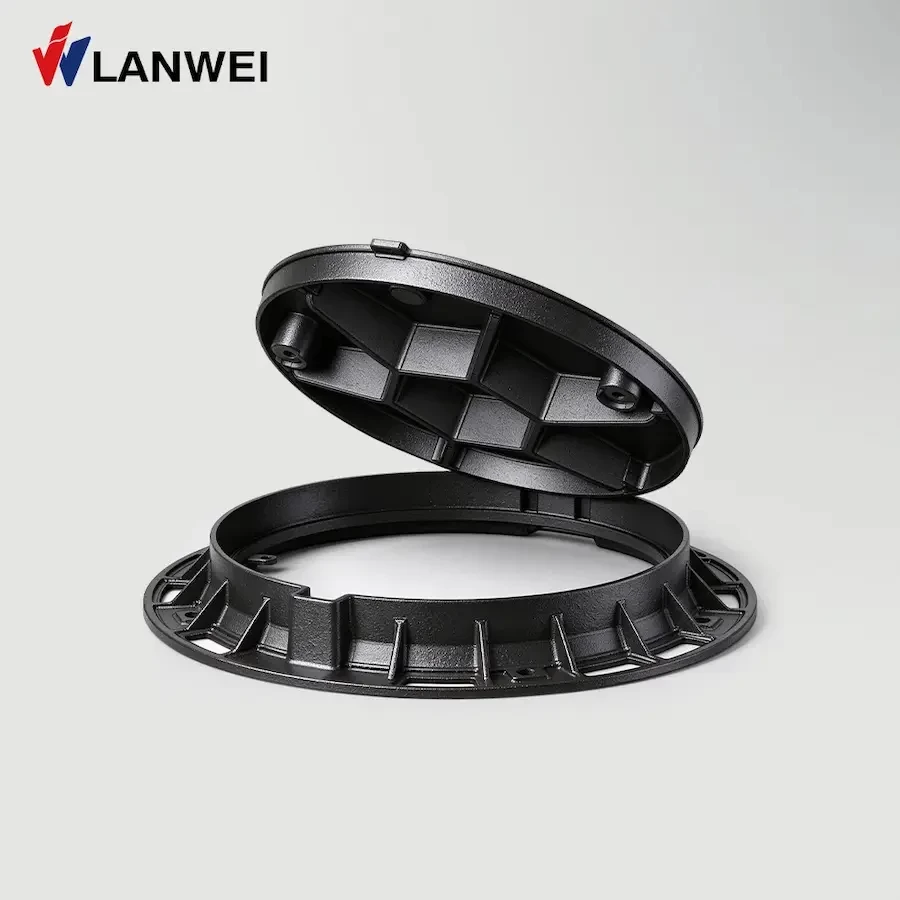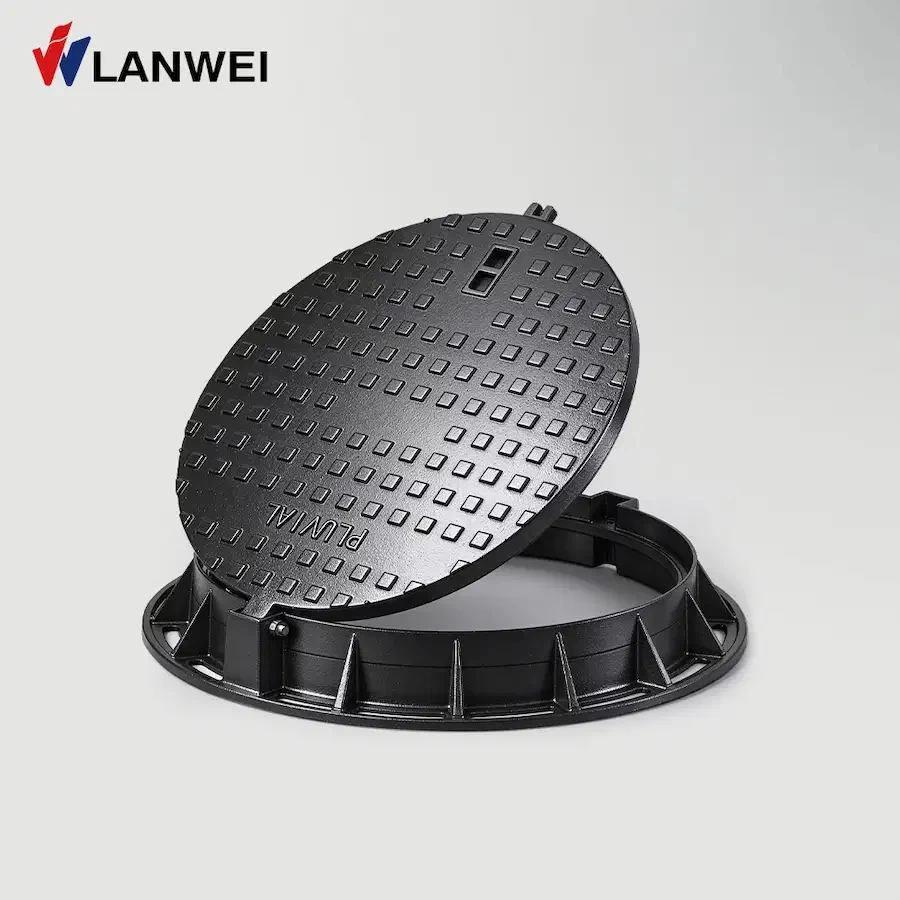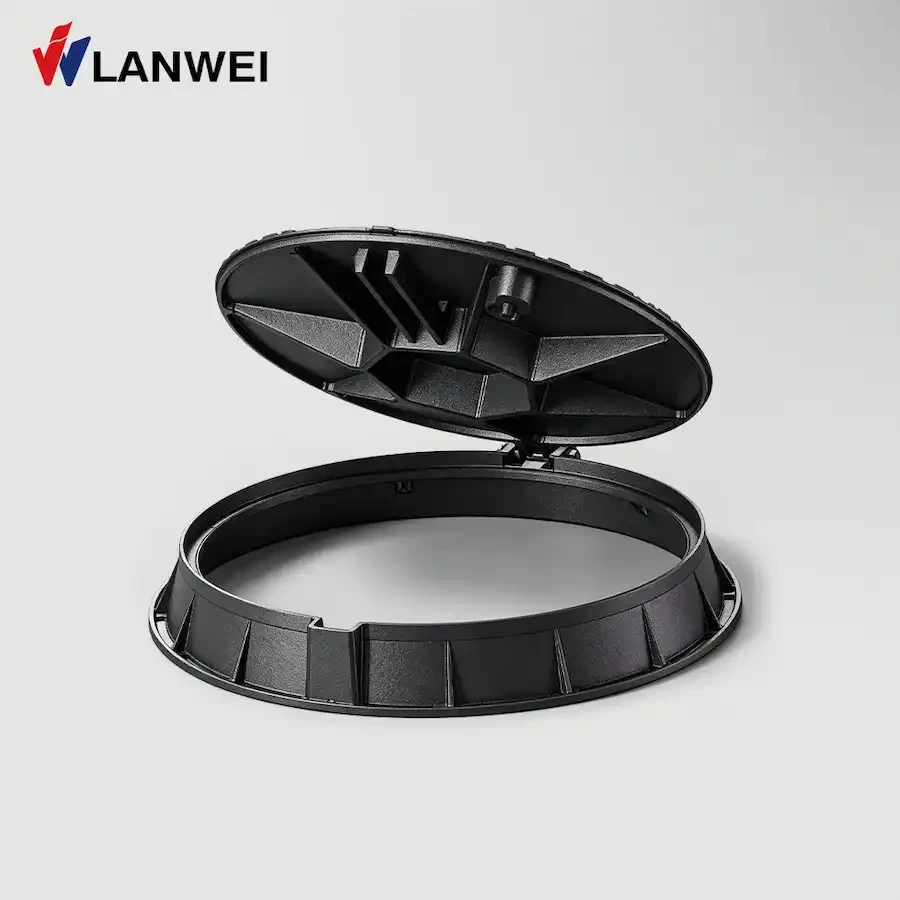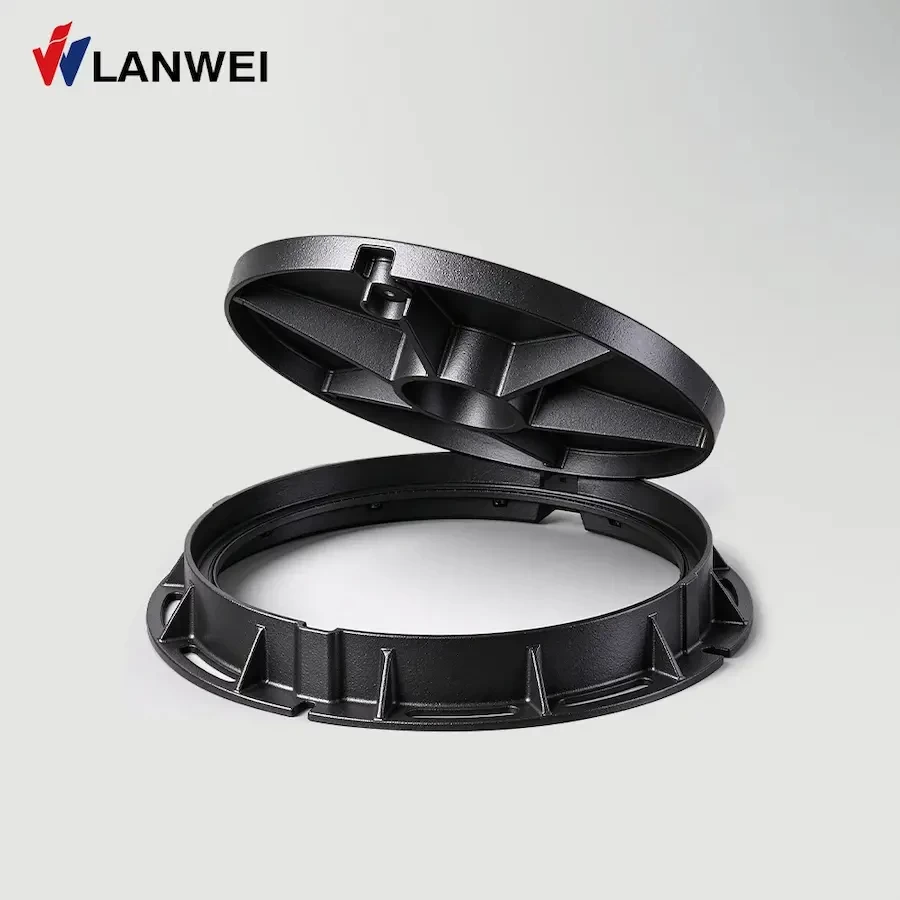
How to Choose a Ductile Iron Manhole Cover: The Complete Buyer's Guide
A ductile iron manhole cover is the default choice for roads, industrial sites and most public infrastructure, but "ductile iron" on a quotation tells you very little on its own. Two covers with the same diameter and the same D400 marking can differ widely in weight, fit, service life and paperwork. This guide explains how to choose a ductile iron manhole cover step by step, so your specification is clear, quotes are comparable and the delivered product passes inspection.
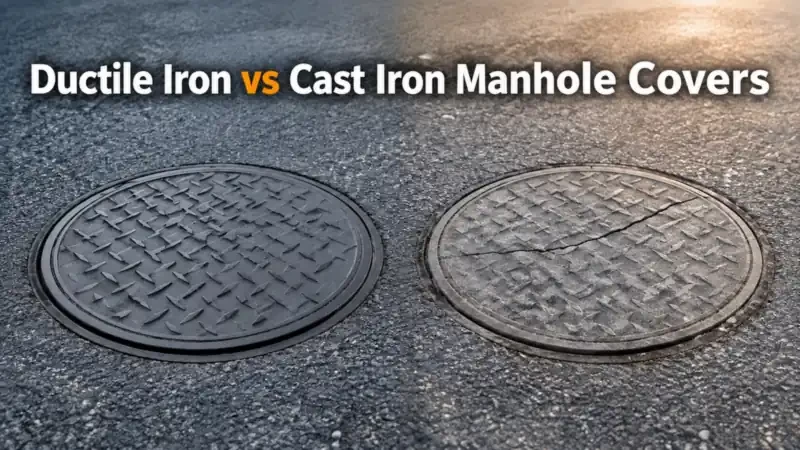
It is written for B2B buyers: importers, distributors, contractors and municipal procurement teams. If you are still deciding between materials, read our comparison of ductile iron vs cast iron manhole covers first.
Step 1: Choose the Right EN 124 Load Class
The load class is the most important decision. It defines the test load the cover must carry and therefore its thickness, ribbing and weight.
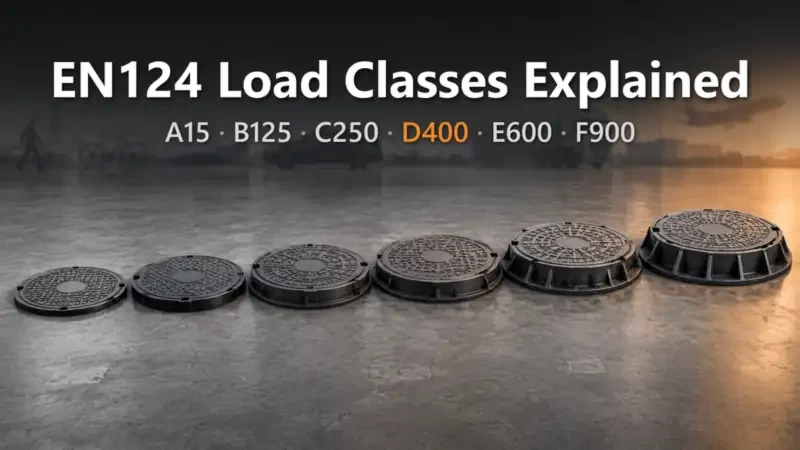
| Class | Test load | Typical location |
|---|---|---|
| A15 | 15 kN | Pedestrian and cyclist areas only |
| B125 | 125 kN | Footways, car parks, private driveways |
| C250 | 250 kN | Kerbside channels, road edges up to 0.5 m into the carriageway |
| D400 | 400 kN | Carriageways, hard shoulders, parking areas for all vehicles |
| E600 | 600 kN | Docks, industrial yards, areas with heavy forklifts |
| F900 | 900 kN | Airports and other areas with very high wheel loads |
Always choose the class for the worst-case vehicle that could reach the cover, not the everyday use. A footpath next to a road where delivery trucks mount the kerb needs C250 or D400, not B125. For a full explanation of each class, see our guide to EN124 load classes.
Common load class mistakes
Specifying B125 in car parks used by refuse trucks or fire engines.
Using a C250 cover in the middle of a lane instead of D400.
Assuming a heavier cover is automatically a higher class. Only the test certificate proves the class.
Step 2: Confirm Dimensions: Clear Opening, Frame Size and Depth
Dimension errors cause more rejected shipments than any other issue. Specify three measurements:
Clear opening (CO): the diameter or width of the open hole through the frame. This sets the access size, commonly 600 mm for maintenance access, and it is the size EN 124 uses.
Overall frame size: the outside dimensions of the frame, which must fit your chamber or the existing opening.
Frame depth: typically 75–100 mm for light classes and 100–160 mm for D400 and above. Deeper frames give better seating and load spreading under traffic.
For replacement projects, send the supplier a drawing or measured photos of the existing frame. Round covers cannot fall through their own opening, which is why round shapes are preferred in roads. Square and rectangular covers suit pedestrian areas and utility chambers but need a well-designed seat.
Step 3: Specify the Ductile Iron Grade
A ductile iron manhole cover should be cast in spheroidal graphite iron to EN 1563. The most common grades are:
EN-GJS-500-7: the standard grade for most covers, balancing strength (≥ 500 MPa tensile) and elongation (≥ 7%).
EN-GJS-450-10: slightly lower strength but higher elongation, used where impact resistance matters.
Ask for the nodularity level on the material certificate. A good foundry achieves 80% or higher. Low nodularity means the iron behaves more like brittle grey iron, even if the chemical composition looks correct. Also request tensile test results from separately cast test bars for each batch.
Step 4: Select Locking and Anti-Theft Features
Ductile iron covers have scrap value, and theft is a real risk in many regions. Unsecured covers can also lift under traffic or flooding. Common options:
Bolt-down locking: two to four stainless-steel bolts. Simple and secure, but slower to open.
Spring or quarter-turn locks: opened with a special key; faster for maintenance crews.
Hinged covers: the cover stays attached to the frame, preventing theft and making opening safer for one operator.
Composite or reduced-value options: where theft is extreme, some buyers switch materials. For ductile iron, hinges plus locks are usually enough.
Specify the opening tool type so the supplier can include keys with the shipment.
Step 5: Check Seating and Noise Control
A cover that rocks under traffic makes noise, wears its frame and eventually breaks. Good seating design is essential for D400 and above.
Machined seating surfaces give a precise fit between cover and frame.
Elastomer (rubber) gaskets in the frame absorb vibration and reduce rattling.
Three-point suspension designs on some round covers keep the cover stable even on an uneven seat.
EN 124 requires that covers are stable in their frames under traffic. Ask suppliers how their design achieves this rather than accepting "anti-noise" as a label.
Step 6: Coating, Surface Pattern and Marking
Coating: the standard finish is black bitumen coating, which protects during storage and early service. Epoxy coatings offer better corrosion resistance in coastal or chemical environments.
Surface pattern: a raised anti-slip pattern is required for safety. For pedestrian zones, ask about skid resistance; for city centres, some buyers specify custom logos or text.
Marking: every EN 124 cover must be permanently cast with:
The standard number, EN 124 (or EN 124-2)
The load class, such as D400
The manufacturer's name or mark
The place of manufacture (may be coded)
The certification body mark, if certified
Custom markings such as "SEWER", "WATER" or a city name can usually be added in the pattern at low cost on orders of a reasonable size.
Step 7: Verify the Supplier and Certification
The most common risk in importing ductile iron manhole covers is a product marked D400 that has never been tested as D400. Before placing an order, check:
Type test report to EN 124 for the exact model and size, ideally from an independent laboratory.
Third-party certification such as Kitemark, NF, or a recognised certification body, if your market requires it.
Factory production control: batch traceability, routine load testing and dimensional checks.
Material certificates for each batch: chemical composition, tensile test results and nodularity.
Pre-shipment inspection: a sample load test witnessed by you or an inspection company.
A supplier who cannot supply these documents for the size and class you are buying is a risk, regardless of price.
Price: What Affects the Cost of a Ductile Iron Manhole Cover?
The price of a ductile iron manhole cover is driven mainly by weight, which follows the load class and size. A D400 cover with a 600 mm clear opening weighs much more than a B125 cover of the same size. Other cost factors include:
Hinges, locks and gaskets
Machined seats
Custom logos and markings
Coating type
Certification and third-party testing
Order quantity and packaging
When comparing quotes, compare price per set at the same class, clear opening, frame depth and features. A cheaper cover is often lighter because it uses a shallower frame or thinner ribs, which can mean it has not been tested to the class it is marked with.
RFQ Checklist for Ductile Iron Manhole Covers
Copy these items into your request for quotation:
Standard and load class: EN 124, class ___
Shape and clear opening: ___ mm
Overall frame size and frame depth: ___ mm
Material grade: EN-GJS-500-7 (or ___), nodularity ≥ 80%
Locking: bolts / key lock / hinge / none
Seating: machined seat, gasket type
Coating: bitumen / epoxy
Markings: standard, class, logo or text
Documents: type test report, material certificates, third-party certificate
Inspection: pre-shipment load test witnessed
Quantity, packaging (pallets) and delivery terms
FAQ
What load class do I need for a road?
For carriageways, use D400 at minimum. E600 or F900 are needed for docks, industrial yards and airports.
What is the standard size of a manhole cover?
A 600 mm clear opening is the most common size for maintenance access, but sizes from 400 mm to 1,000 mm are widely available. Always confirm the clear opening, not just the overall size.
How heavy is a ductile iron manhole cover?
It depends on class and size. As a rough guide, a D400 round cover and frame with a 600 mm clear opening often weighs 60–90 kg, but confirm actual weights with your supplier.
How long does a ductile iron manhole cover last?
With the correct load class and good installation, ductile iron covers commonly last 30 years or more. Poor bedding and wrong class are the main causes of early failure.
Conclusion: Choosing a Ductile Iron Manhole Cover
To choose the right ductile iron manhole cover, start with the EN 124 load class for the worst-case load, then confirm the clear opening and frame depth. Specify the iron grade and nodularity, the locking and seating features, and the markings. Finally, verify test reports and certificates before shipment. A clear specification makes quotes comparable and protects you from covers that look right but fail in service.
Need a quote? LANWEI supplies certified ductile iron manhole covers in all EN 124 classes from A15 to F900, with custom sizes, locks and markings. Request a quote with your load class, clear opening and quantity.