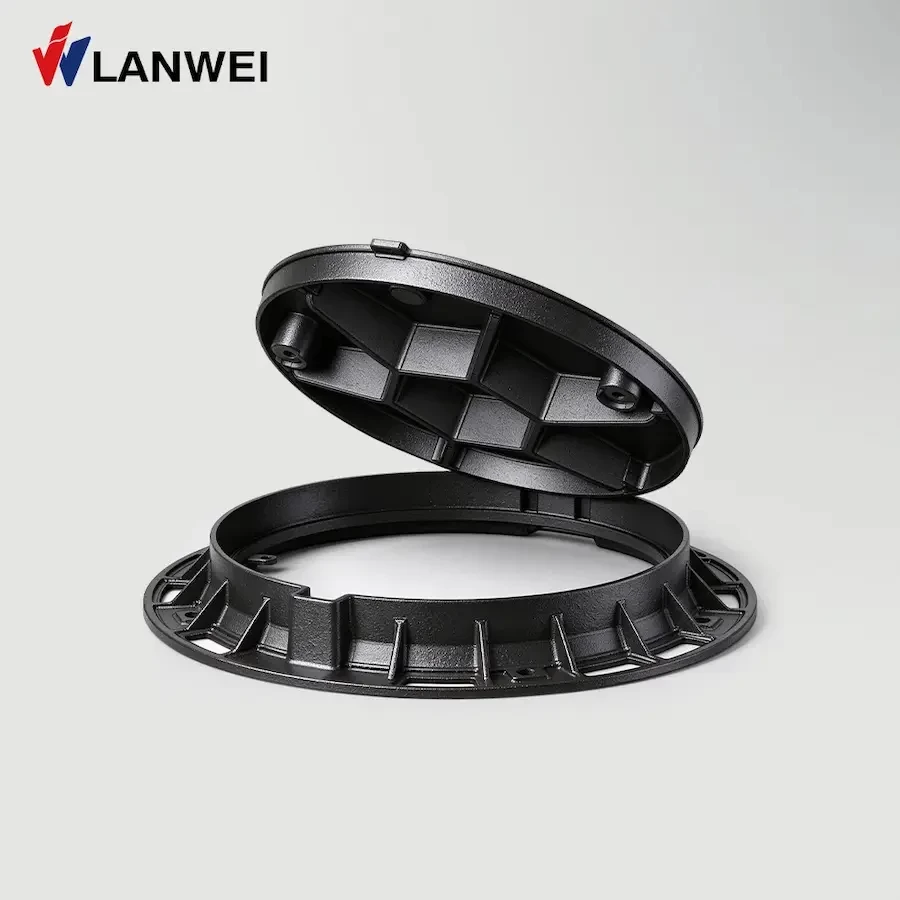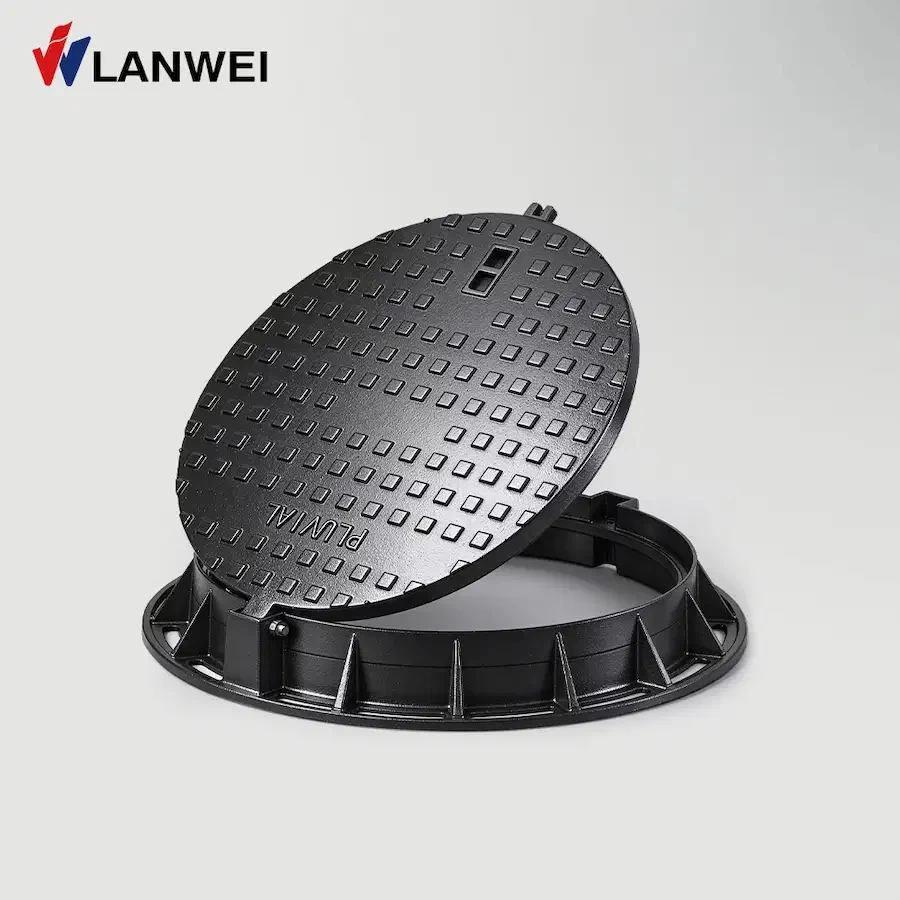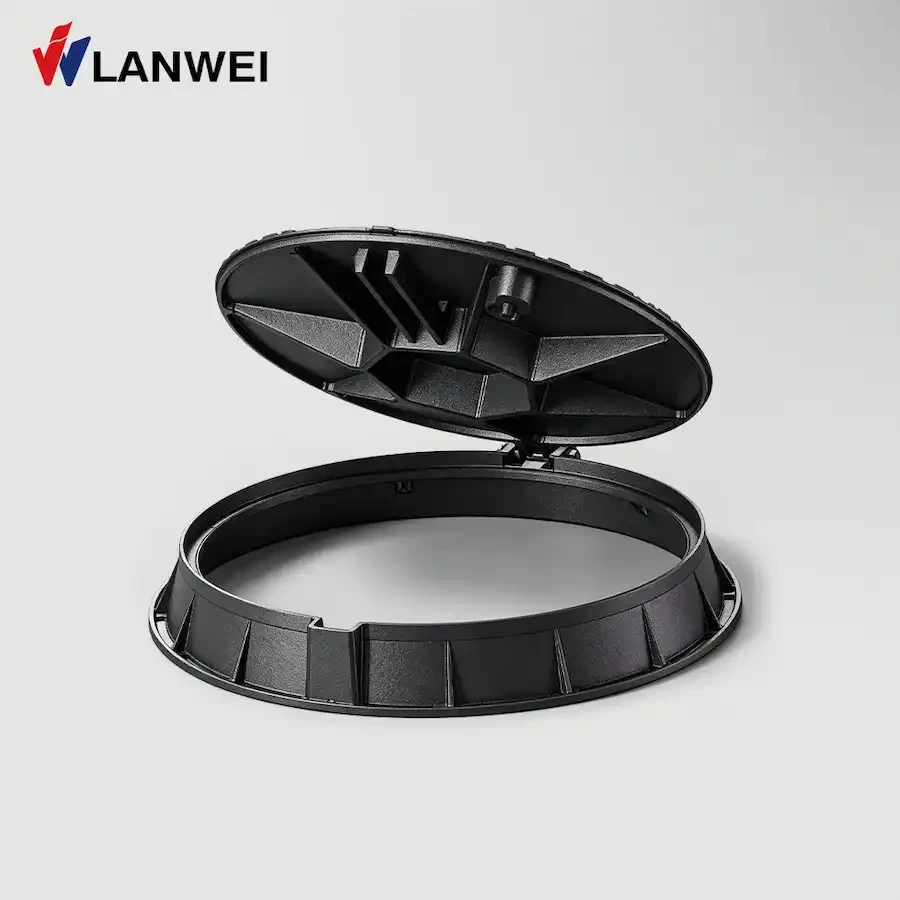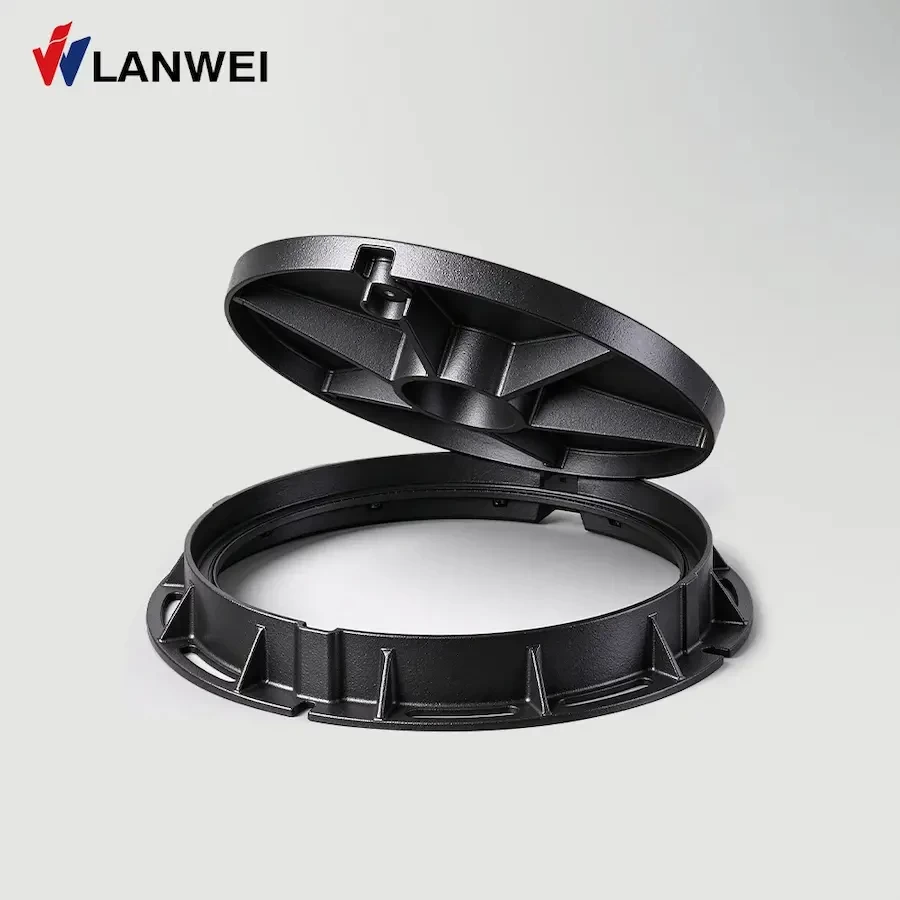
EN124 Load Classes Explained: A15, B125, C250, D400, E600, F900
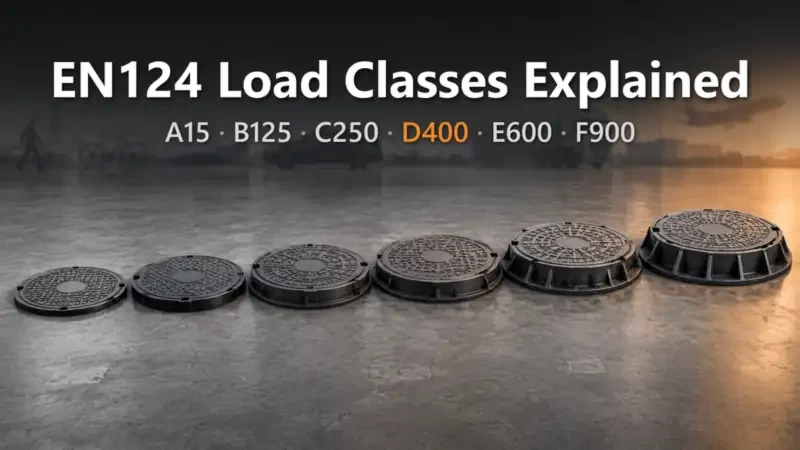
EN124 load classes are the European system for rating how much load a manhole cover, gully grating or access frame can carry. EN 124 defines six classes: A15, B125, C250, D400, E600 and F900. The number in each name is the test load in kilonewtons (kN) that the product must withstand in the laboratory. As a rule, choose the class for the heaviest vehicle that could realistically cross the cover, not for its everyday use.
This guide is written for buyers, importers and contractors who need to specify or source EN 124 products. It covers what the standard includes, what each class means in practice, how testing and marking work, and the mistakes that most often lead to failed covers and rejected shipments.
What Is EN 124?
EN 124 is the European standard for gully tops and manhole tops for vehicular and pedestrian areas. It is used across Europe, and buyers in the Middle East, Africa, Asia and Australia also adopt it widely as a procurement reference. In the UK it is published as BS EN 124. The current edition dates from 2015 and replaced the single-document 1994 version with a multi-part structure:
EN 124-1: definitions, classification, general design principles, performance requirements and test methods
EN 124-2: grey cast iron and ductile cast iron
EN 124-3: steel and aluminium alloys
EN 124-4: steel-reinforced concrete
EN 124-5: composite materials
EN 124-6: polypropylene, PVC and PE-HD
Because the load classes are defined in Part 1, they work the same way regardless of material. A D400 cover means the same test load whether it is made of ductile iron or a composite.
Which Products Does EN 124 Cover?
The standard applies to manhole covers, gully gratings, kerb-type gully tops and their frames, installed in areas used by pedestrians or vehicles. It covers clear openings up to 1,000 mm. It does not cover products such as slot drains with continuous channels, which fall under EN 1433 instead. If your project includes linear drainage, specify EN 1433 for those items and EN 124 for the covers and gratings.
EN124 Load Classes at a Glance
The table below summarises the six EN124 load classes, the test load each must withstand and where each is typically installed. EN 124 groups installation areas from 1 to 6, matching the six classes.
| Class | Test load | Group | Typical installation area |
|---|---|---|---|
| A15 | 15 kN | 1 | Areas used only by pedestrians and cyclists |
| B125 | 125 kN | 2 | Footways, pedestrian zones, car parks and parking decks for cars |
| C250 | 250 kN | 3 | Kerbside channels, extending only a short distance into the road and footway |
| D400 | 400 kN | 4 | Carriageways of roads, hard shoulders, parking areas for all road vehicles |
| E600 | 600 kN | 5 | Areas with high wheel loads: docks, loading yards, industrial floors |
| F900 | 900 kN | 6 | Areas with very high wheel loads, such as airport pavements |
For comparison, 400 kN is roughly the force of 40 tonnes. The test load includes a safety margin above real wheel loads, so it does not describe the vehicle weight allowed on the cover.
Each Load Class Explained
A15 – Pedestrian and Cycle Areas
A15 is the lightest class. It suits gardens, landscaped areas, private paths and cycle tracks where no vehicle can drive over the cover, not even a ride-on mower or maintenance cart. A15 covers are often lightweight and low-cost. Avoid them anywhere a vehicle could stray onto the cover.
B125 – Footways and Car Parks
B125 suits footways, pedestrian precincts and car parks or parking decks used by cars and light vans. It is the most common class for residential driveways and shopping-centre pavements. If delivery vans or refuse trucks can mount the kerb, step up to C250 or D400.
C250 – Kerbside and Road Shoulders
C250 is designed for gully tops in kerbside channels. It applies only to a narrow zone along the kerb, extending a limited distance into the road and the footway. It is not a general road class. Covers placed further into the carriageway need D400.
D400 – Carriageways and Roads
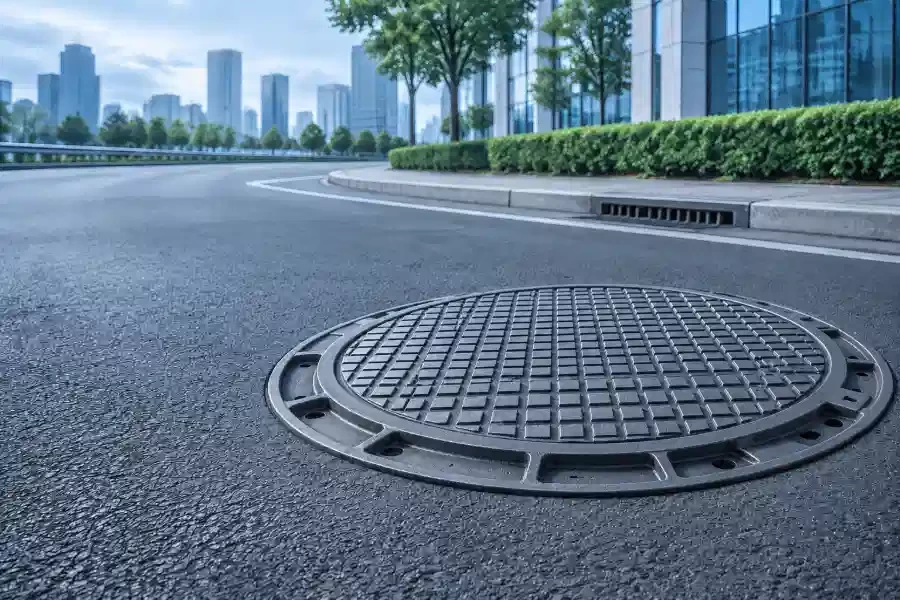
D400 is the standard class for roads, including pedestrian streets that service vehicles use, hard shoulders and parking areas for all types of road vehicles. Most municipal, highway and commercial projects specify D400 manhole covers, which makes it the highest-volume class in international trade.
E600 – Docks and Industrial Yards
E600 is for areas with high wheel loads, such as docks, container yards, distribution centres, forklift routes and heavy industrial floors. Specify it wherever slow, heavy, concentrated loads are expected.
F900 – Airports and Heavy Port Pavements
F900 is the heaviest class. It is used for aircraft pavements, airside areas and other locations with particularly high wheel loads. F900 products are heavy, and they are normally designed and certified for a specific project.
How to Choose the Right EN124 Load Class
The golden rule for choosing among EN124 load classes is to design for the worst case, not the typical case. Walk through these questions for each cover location:
What is the heaviest vehicle that could reach this spot? Include emergency vehicles, refuse trucks, cranes and construction traffic, not just daily users.
Is the cover in, or next to, a traffic lane? Anything in the carriageway is D400 as a minimum.
Is the traffic slow and concentrated? Forklifts, straddle carriers and parked trucks impose high point loads. Consider E600.
Does a local authority or client specification override the general guidance? Municipal and airport specifications often require a higher class.
When the answer is uncertain, step up one class. The extra cost of a heavier cover is small compared with an emergency replacement, a lane closure or an injury claim.
Common Specification Mistakes
Using C250 as a road class. It only covers the narrow kerbside zone.
Specifying B125 in mixed-use plazas that delivery vehicles cross.
Specifying the cover class only. The frame, bedding and surrounding construction must support the same load.
Omitting the clear opening. Without it, two "D400" quotes are not comparable.
Accepting a class claim without test evidence. See the verification section below.
How EN 124 Load Testing Works
EN 124-1 defines a laboratory load test that each design must pass. In outline:
The cover and frame are placed on a rigid test bed, with a load block of specified size centred on the cover.
The load is applied several times up to a fraction of the test load. The permanent set, meaning the deformation that remains once the load is removed, is then measured. It must stay within a limit linked to the clear opening, and the limits are stricter for the heavier classes.
The load is increased to the full test load for the class, for example 400 kN for D400, and held. The product must not crack or fail.
The standard also covers stability and seating, so covers must not rock. Other requirements include locking or adequate cover weight for some classes, slip resistance of the top surface, and the depth of insertion of the cover in the frame. Material-specific parts add further requirements, such as mechanical property tests for ductile iron under EN 124-2.
The test is a type test: it proves the design. Ongoing production quality is the job of the manufacturer's factory production control and, ideally, regular audits by a third-party certification body.
Load Class vs Material: Cast Iron, Ductile Iron, Composite
The load class tells you how much load a product must carry. The material affects how it carries that load over time, and how much it weighs.
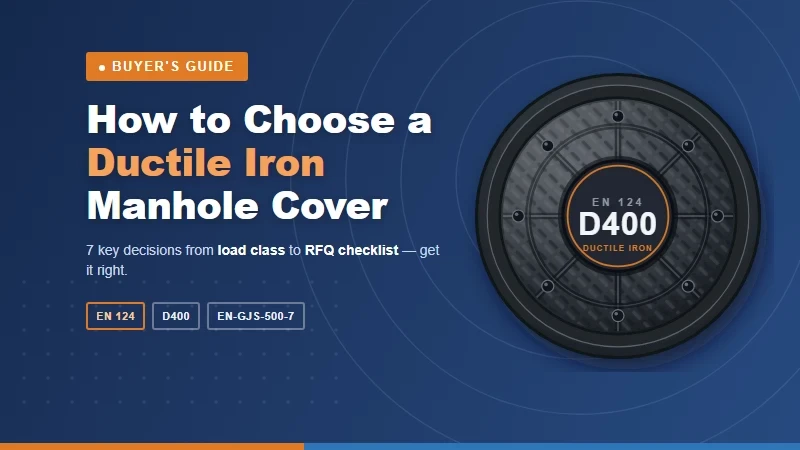
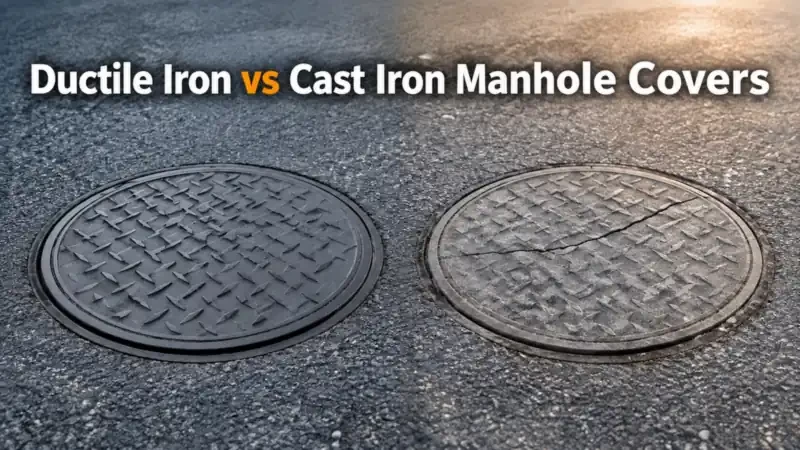
Ductile iron is the most common choice for D400 to F900. It is strong, bends before it breaks, and is lighter than grey iron for the same class.
Grey cast iron is economical for A15 to C250, and can also be used for frames. It is brittle under impact, so it is less suited to heavy traffic.
Composite (EN 124-5) covers are light, have no scrap value and are popular in theft-prone or utility areas. Check their long-term behaviour under heavy traffic, and their slip resistance.
Steel and concrete-infill options suit special projects and recessed designs where paving must continue across the cover.
For a detailed comparison of the two iron options, see our guide to ductile iron vs cast iron manhole covers.
Marking and Certification: How to Verify an EN 124 Cover
A compliant EN 124 product carries permanent marking, usually cast into the top surface, that typically includes:
The standard reference, for example EN 124-2
The load class, for example D400
The manufacturer's name or mark and the place of manufacture (this may be coded)
The mark of a third-party certification body, if the product is certified
Optional extras: the production date, the material identification and the client's logo or utility text
Marking alone proves nothing, because anyone can cast "D400" into a lid. Before ordering, ask the supplier for:
An initial type test report for the exact model, class and clear opening, ideally issued by an independent laboratory.
A product certificate from a third-party certification body. Check the scope and expiry date with the issuing body.
Material certificates: for ductile iron, the tensile strength, elongation and nodularity.
A pre-shipment inspection: dimensions, weight, seating flatness, marking and a sample load test where feasible.
FAQ
What does D400 mean on a manhole cover?
D400 is the EN124 load class for roads and carriageways. It means that the cover and frame passed a laboratory test load of 400 kN without failing, and that their permanent deformation stayed within the permitted limit.
What is the difference between C250 and D400?
C250 is intended for kerbside channels and extends only a short distance into the road. D400 is required anywhere within the carriageway where normal road traffic passes.
Can I use a B125 cover in a driveway?
Yes, for private driveways used by cars. If heavier vehicles such as delivery trucks or refuse vehicles may cross it, specify C250 or D400 instead.
Is EN 124 the same as BS EN 124?
Yes. BS EN 124 is the UK publication of the same European standard. The technical content and the load classes are identical.
Conclusion: Specify EN124 Load Classes with Confidence
EN124 load classes give buyers a simple, shared language for load capacity: A15 and B125 for pedestrian areas, C250 for the kerbside, D400 for roads, and E600 and F900 for docks and airports. Choose the class for the worst-case location, state the clear opening and material in every RFQ, and insist on type test reports and third-party certificates before shipment. Remember that the class applies to the complete installation: the frame, bedding mortar and surrounding pavement must all be built to carry the same load. A correctly certified D400 cover set on a weak base will still fail early, so include bedding and reinstatement details in your installation specification.
Need EN 124 covers or gratings? LANWEI supplies manhole covers, frames and gully gratings in classes A15 to F900. Send us your load class, clear opening, quantity and destination port, and our team will recommend the right design for your project. Request a quote from LANWEI.