Adaptability of Ductile Iron Manhole Covers in Different Environments

Gully grating is probably one of the most overlooked components in road engineering. Cars drive over it, and nobody looks down. But that's exactly the kind of thing that, when it goes wrong, ends up costing way more than anyone expected. Grating settling, coming loose, that clanking noise when a vehicle rolls over it — or worse, cracking under load. These issues can drag down a road's reputation within the first two years of opening. And here's the thing: these problems rarely stay isolated. One loose grating shakes the asphalt or concrete around it loose, the drainage slope gets compromised, water pools up, and that accelerates pavement damage — until you're looking at a repair bill that keeps growing in every direction.
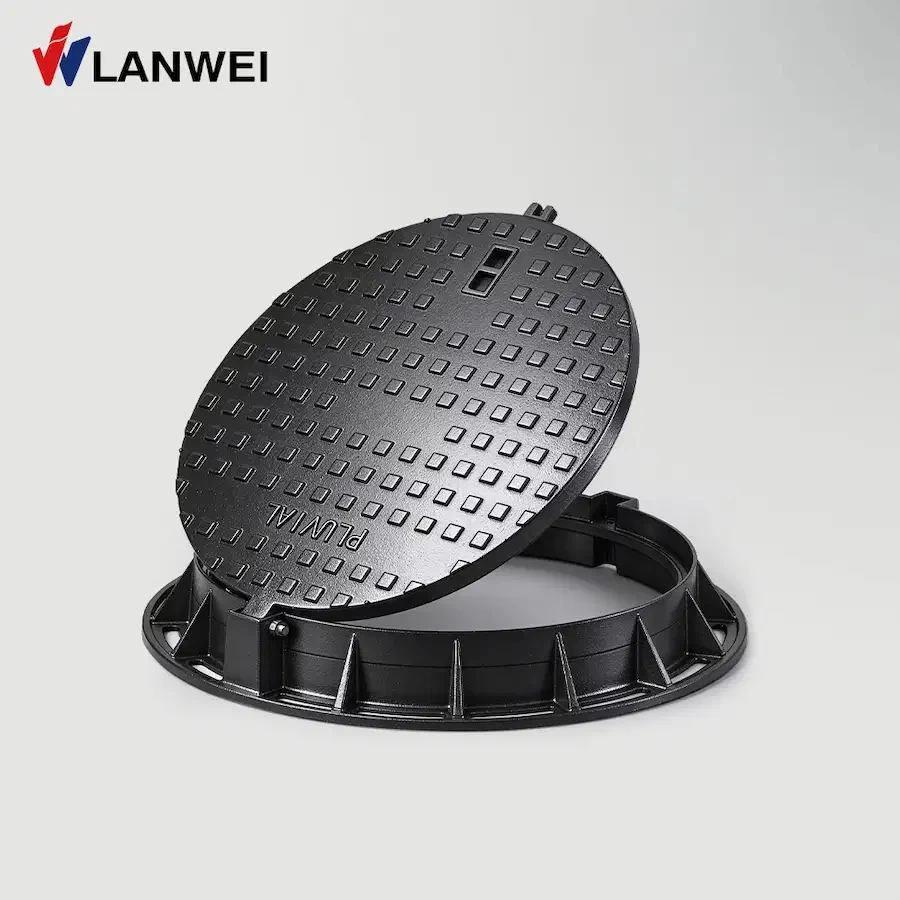
Gully Grating has a clear positioning: manufactured to EN124 D400, for locations where vehicles will actually drive over it. Not sidewalks, not internal residential roads — carriageways, hard shoulders, parking areas, and anywhere heavy vehicles pass repeatedly.
Let's get the rating straight first. EN124 is the European load standard for Manhole Covers and gully gratings. D400 is Group 4, corresponding to a test load of 400 kN — roughly 40 tonnes. What does that number actually mean? It covers highways, urban arterial roads, logistics parks — places where trucks, buses, and construction vehicles roll over every day. C250 is for curb zones and parking areas, B125 is for sidewalks and internal residential roads. Each class has a clear boundary. Go too low, and the grating won't hold up. Go too high, and you're wasting money. D400 sits in that "heavy-duty but not extreme" range, which is why it's one of the most commonly specified classes for road drainage. A mistake a lot of projects make during selection is thinking "heavier is always safer" and jumping straight to E600 or F900 — except the procurement cost goes up, while the frame and foundation are still built to D400 spec. The whole thing doesn't actually get any more reliable. Rating, frame, and foundation are a matched set. Upgrading just one of them doesn't buy you much.
For material, we use ductile iron. Grey iron is fine for general drainage applications, but ductile iron has noticeably better elongation and impact resistance. The logic isn't complicated: grating on a carriageway takes more than static pressure — it takes dynamic impact from braking, turning, and bouncing. Ductile iron deforms before it fractures, and under heavy loads that property is your safety margin. The surface usually gets an anti-slip treatment, because in wet conditions both vehicles and pedestrians need that bit of friction. This really shows up during the rainy season in the south or the snowmelt period in the north — whether the anti-slip pattern is well designed or not is something drivers and pedestrians feel directly.
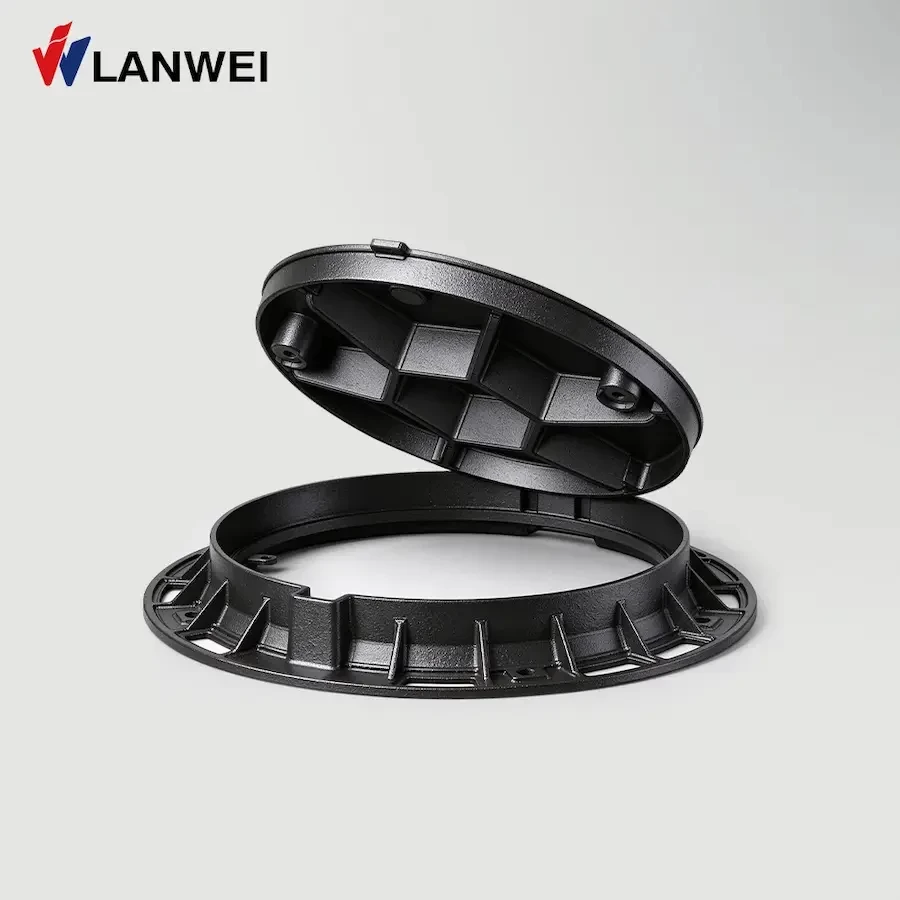
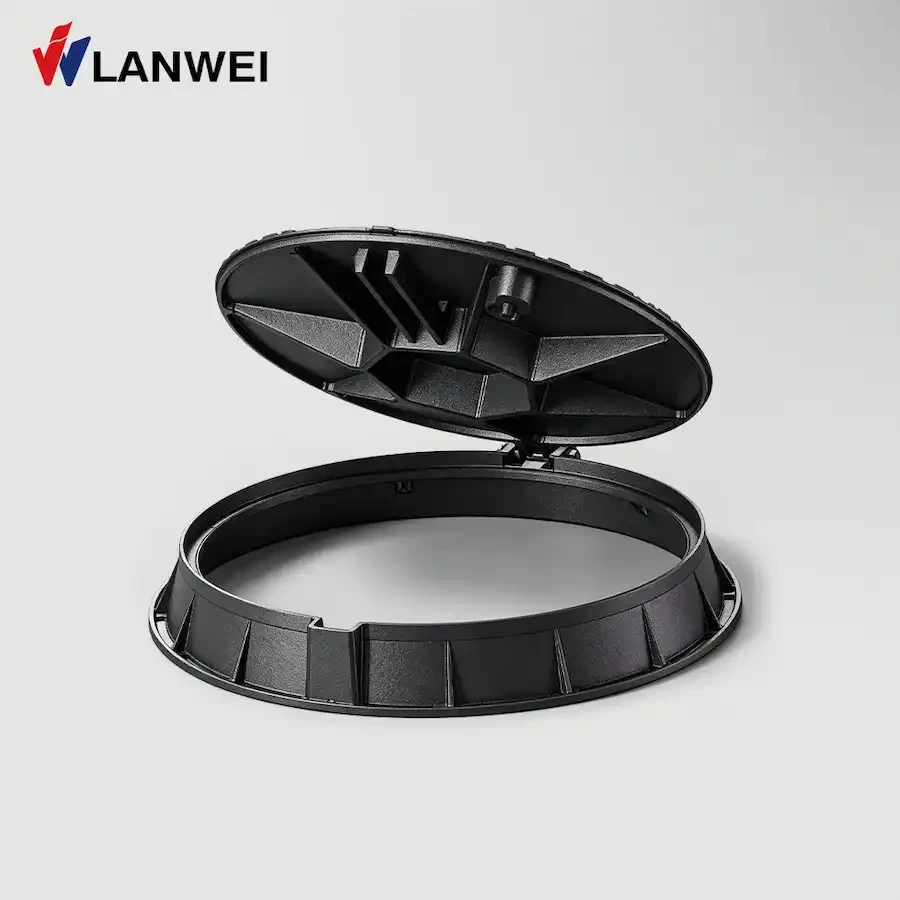
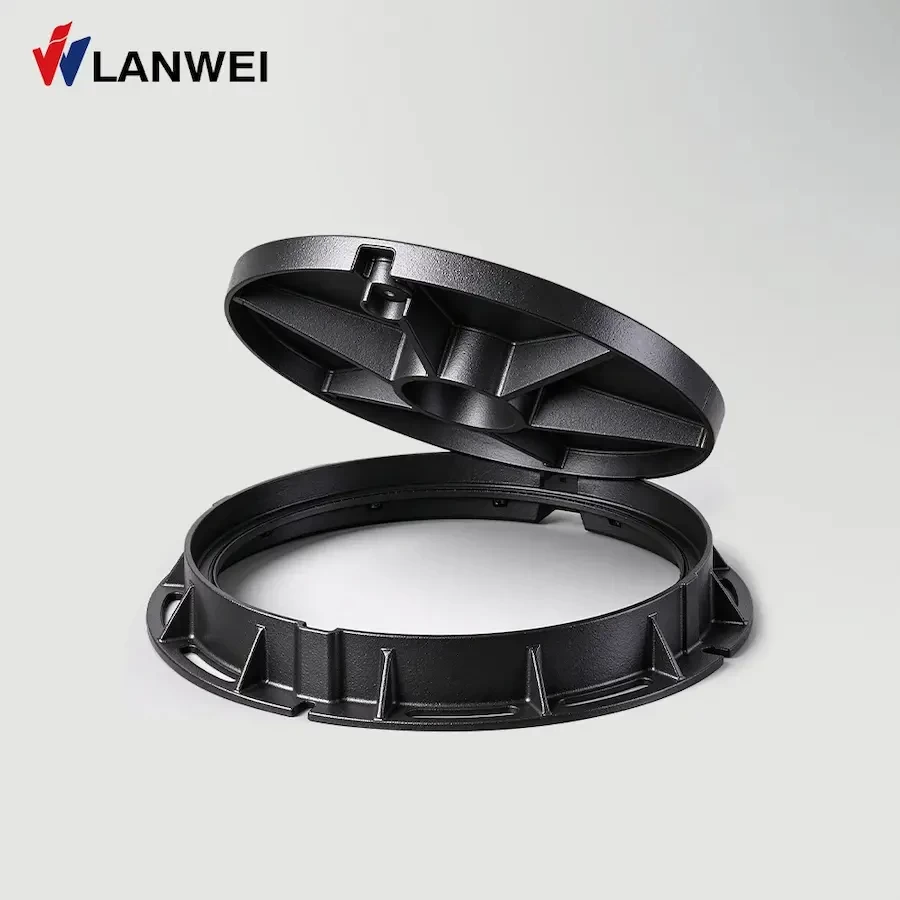
There's one structural detail that tends to get underestimated: how the grating fits into the frame. A lot of site problems aren't the grating itself breaking — it's the grating sitting loose in the frame, jumping and rattling every time a vehicle passes. Over time, the asphalt or concrete around the frame gets shaken loose, the grating starts to sink, and drainage performance drops off. SOLID's design emphasizes a solid, no-wobble fit, with wedge or anti-displacement structures that keep the grating stable under repeated loading. You can't see this detail on a drawing, but six months after opening to traffic, the difference is written right there on the road surface. Installation matters just as much: whether the frame bedding is fully packed, whether the elevation is flush with the pavement, whether the grating is locked down after seating. Get these steps right, and you won't have to worry about it for years. Cut corners on any one of them, and sooner or later the problem shows up as "rattling" or "standing water."
Let's narrow down the applications: urban carriageway and arterial road edge drainage, highway hard shoulders, heavy-duty access roads in logistics parks and industrial yards, commercial parking facilities and multi-storey car parks, port and wharf operating areas. What these locations have in common: heavy vehicles, high traffic volume, narrow maintenance windows. Once the grating goes in, you ideally don't want to touch it for years. That's exactly what D400 ductile iron grating is designed for. It's not the cheapest option, but in locations where it has to hold up, the maintenance costs you save far exceed the price difference.
LANWEI has been in piping and road ancillary products for years. Gully grating isn't the highest technical barrier category out there, but it's the kind of thing where "do it right and nobody praises you, do it wrong and you get complaints every day." Our approach is pretty simple: no material downgrades, fit precision under control, and every batch goes through load verification per standard. If your project is in the selection stage and you're not sure whether D400 is the right class, send us your traffic volume, vehicle types, and pavement structure — let's figure it out together. Choosing the right rating matters more than choosing the expensive one.